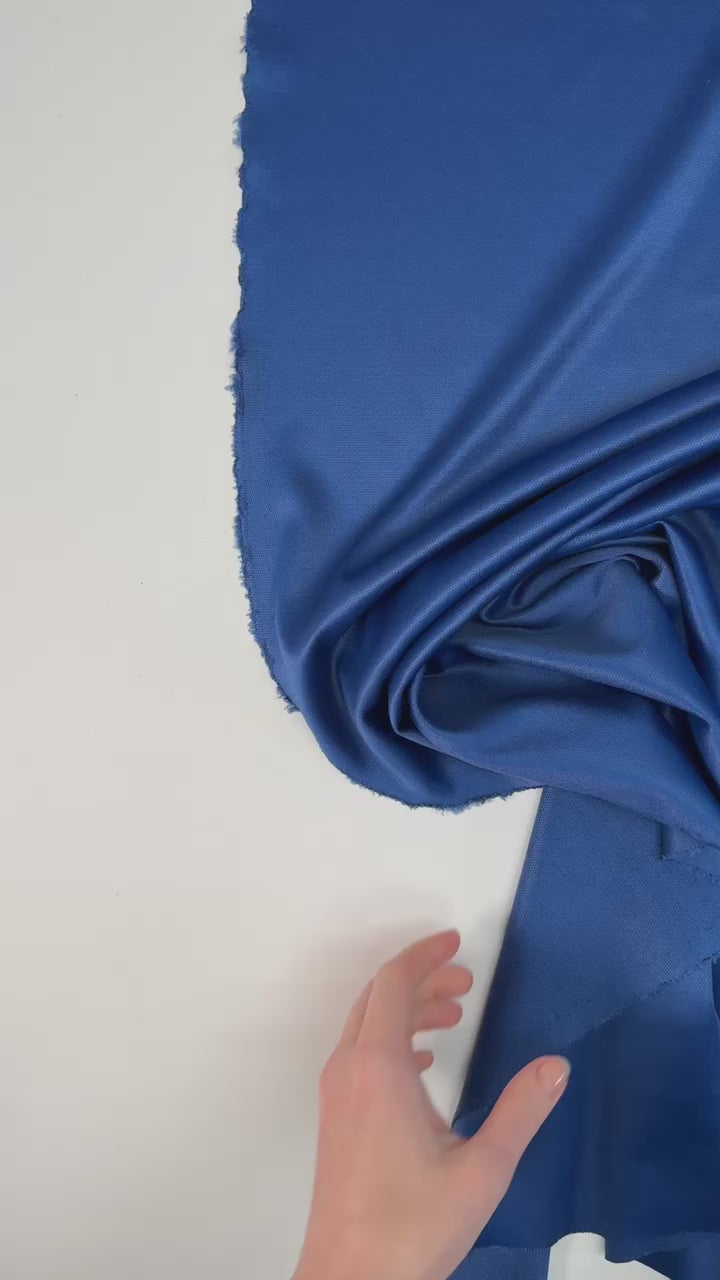
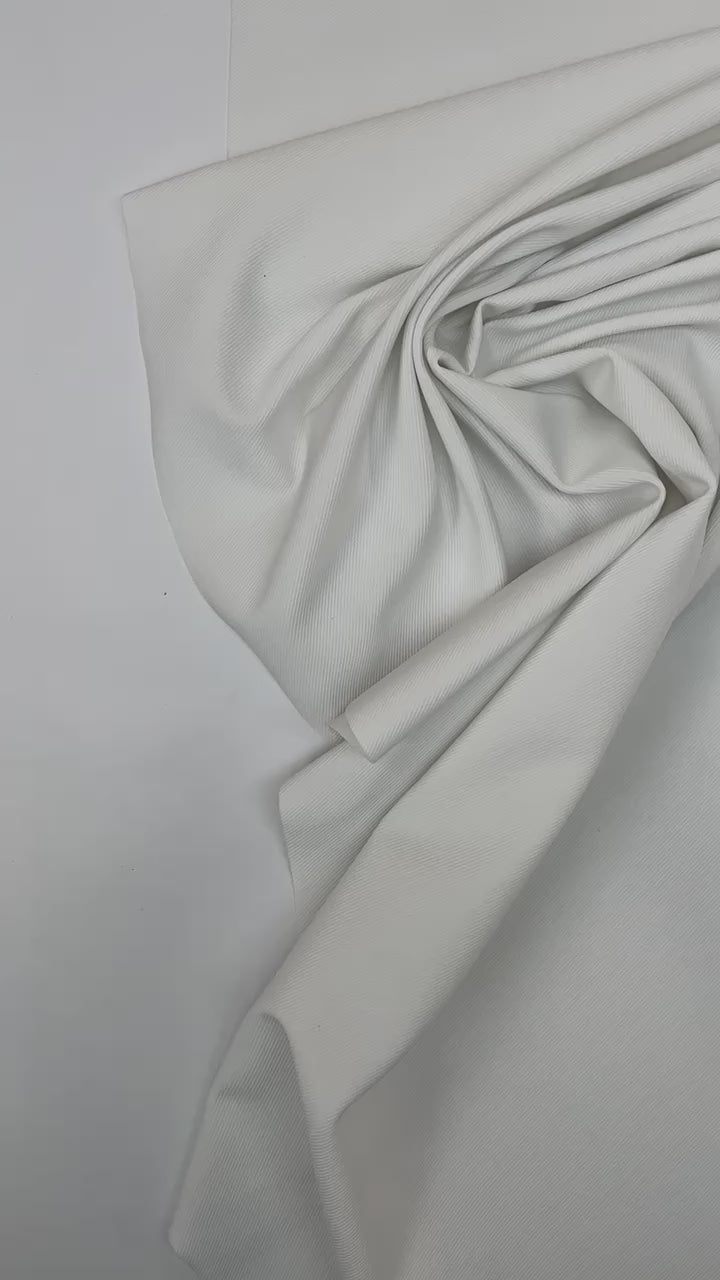
Tricot fabrics belong to a family of warp-knit textiles valued for smoothness, stretch, and lasting shape. If you wonder what tricot fabric is and why it appears so often in technical garments, the answer lies in its construction. A tricot knit forms with diagonal loops that lock the surface and resist runs. The front stays sleek, the back shows a fine rib, and the cloth keeps its structure after repeated wear. This balance makes tricot material dependable for daily use and demanding projects.
How Tricot Is Made
In warp knitting, many yarns work at once, creating a stable surface that does not curl at the edges. What is a tricot fabric in practice? It is usually blended from synthetic fibers such as polyester tricot or nylon tricot fabric, sometimes mixed with cotton or elastane. Nylon tricot is especially popular because it dries quickly and holds color well. This method produces tricot cloth that stretches across the width while staying firm along the length.
Performance and Comfort
What is tricot knit fabric known for in everyday wear? It offers moderate stretch with strong recovery, so garments keep their fit. The surface feels cool and smooth, reducing friction on the skin. Tricot lining is often used inside jackets and skirts because it glides easily over other layers. Breathability depends on fiber choice, but most tricot fabric manages moisture better than plain woven cloth.
Common Uses
Swimwear, sports bras, dance costumes, and lightweight jackets rely on tricot material for support and durability. Designers also choose it for lingerie, gloves, and active tops where shape matters. Because tricot knit resists snags, it performs well in items that face movement and repeated washing.
Care and Handling
Tricot cloth cuts cleanly and sews without heavy fraying. Use a ballpoint needle and gentle tension to avoid skipped stitches. Wash in cool water and lay flat or hang to dry. High heat can weaken elastic fibers and dull the surface.
FAQ
What kind of fabric is a tricot?
Tricot is a warp-knit fabric with a smooth face and ribbed back, known for stretch and durability.
Is tricot like cotton?
It can include cotton, but most tricot uses synthetic fibers and feels smoother than plain cotton knits.
What are the advantages of using tricot?
It resists runs, keeps its shape, dries fast, and works well for fitted garments.
What does tricot material feel like?
It feels soft, cool, and silky against the skin, with light elastic support.