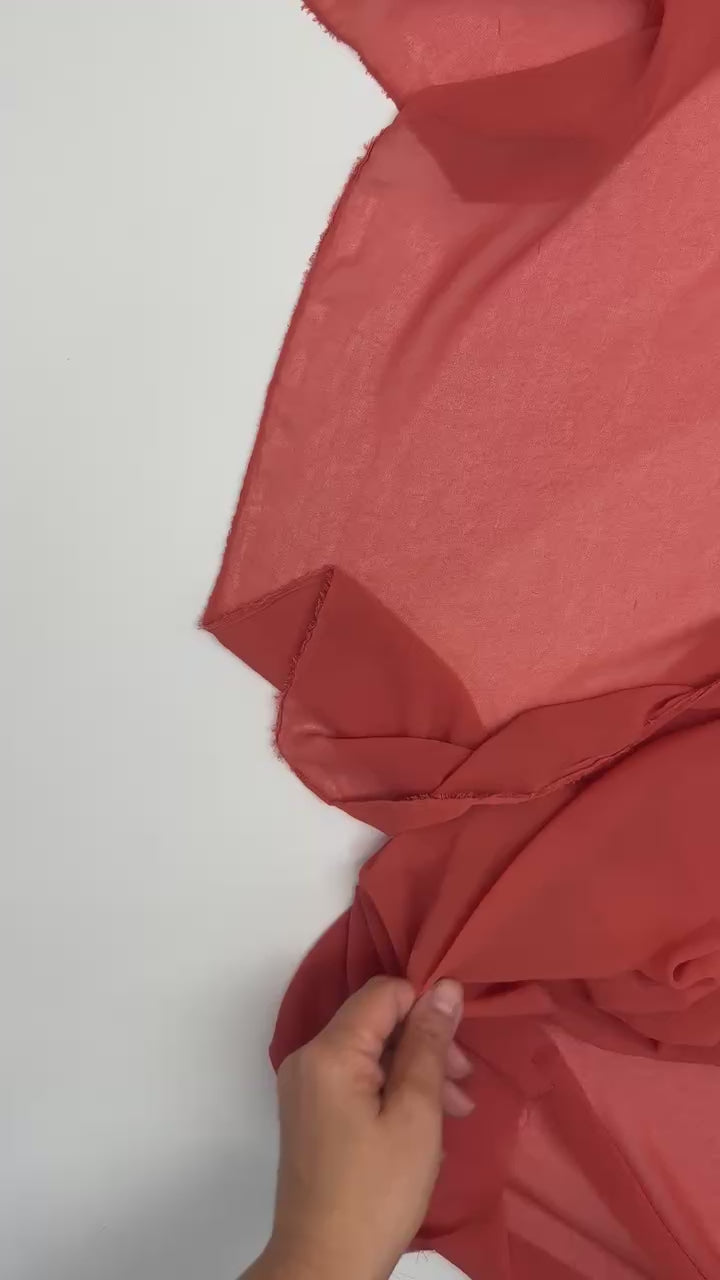
What Defines Crepe Fabric
Crepe is characterized by its use of high-twist yarns, crêped during weaving or finishing to create the signature pebbled, slightly crinkled surface. The texture can range from a fine, subdued grain to a more pronounced pebble. True crepe is woven from silk, polyester, rayon, wool, or their blends, with each fiber imparting distinct properties to the final cloth, offering immense creative freedom for dresses, suiting, and separates.
Key Variations & Their Properties
- Crepe de Chine: A lightweight, fine crêpe with a less pronounced texture and a smooth, lustrous finish. Silk crepe de chine is prized for its breathability and luxurious drape, ideal for blouses, lingerie, and flowing dresses. Polyester crepe de chine offers similar aesthetics with superior wrinkle resistance and easier care.
- Silk Crepe (Crepe-back Satin, Crepe Georgette): The luxury benchmark. It possesses a dry, matte hand, exquisite drape, and a beautiful fluidity. Georgette is sheer and has a more pronounced pebble.
- Rayon Crepe: Known for its exceptional drape, breathability, and vibrant color absorption. It offers a silk-like feel at a more accessible price point but requires careful handling.
- Polyester Crepe: Highly durable, wrinkle-resistant, and easy to maintain. It provides excellent structure and is widely used for ready-to-wear.
- Stretch Crepe: Incorporates elastane (Lycra) for comfortable flexibility, making it ideal for fitted dresses, trousers, and contemporary silhouettes that require both shape and movement.
Why Designers Choose Crepe
Crepe is beloved for its impeccable behavior. It drapes effortlessly, holds soft folds and pleats beautifully, and skims the body without clinging. Heavier wool or polyester crepes offer superb structure for tailored suits and coats, while lightweight versions create romantic, ethereal layers. Its inherent wrinkle resistance makes it practical for travel and all-day wear.
Sewing with Crepe: Professional Tips
Despite its luxurious appearance, crepe is manageable for confident sewists.
- Tools: Use sharp microtex needles (70/10-80/12) and fine, high-quality thread.
- Cutting & Stabilization: Cut single-layer using weights and a rotary cutter. Stabilize necklines and shoulder seams with lightweight fusible tape or organza.
- Seam Finishes: French seams, flat-felled seams, or serging with a fine, balanced stitch prevent fraying and maintain a clean interior.
- Pressing: Use a low heat setting and a press cloth. For delicate silks, a tailor's clapper is invaluable for setting seams without shine.
Crepe in Modern Fashion
Crepe remains a cornerstone of modern design due to its chameleon-like versatility. It transitions seamlessly from minimalist daywear to dramatic evening gowns. Its textured surface adds visual depth without bulk, making it a premier choice for bridal wear, red-carpet attire, sophisticated suiting, and fluid ready-to-wear.
FAQ
Is crepe fabric good quality?
Yes. High-quality crepe is durable, drapes superbly, and maintains its textured integrity. The perception of quality is closely tied to fiber content: silk and fine wool crepes represent the luxury tier.
What are the disadvantages of crepe fabric?
The main considerations are care requirements (many types need dry cleaning or gentle hand washing) and handling. Lightweight crepes can be slippery to cut and sew, and some varieties may be prone to snagging.
Is crepe fabric the same as cotton?
No. Crepe denotes a textural finish or weave structure, not a fiber. While "cotton crepe" exists (like seersucker or plissé), it is a specific finish applied to cotton, not representative of the broader crepe category.
Is crepe a cheap material?
Cost is fiber-dependent. Silk and wool crepes are premium. Rayon/viscose crepes occupy the mid-range. Polyester crepes are generally the most affordable, offering the aesthetic at a lower price point with easy care.