The Right Fabrics for a Wedding Dress: Body, Drape, and Finish
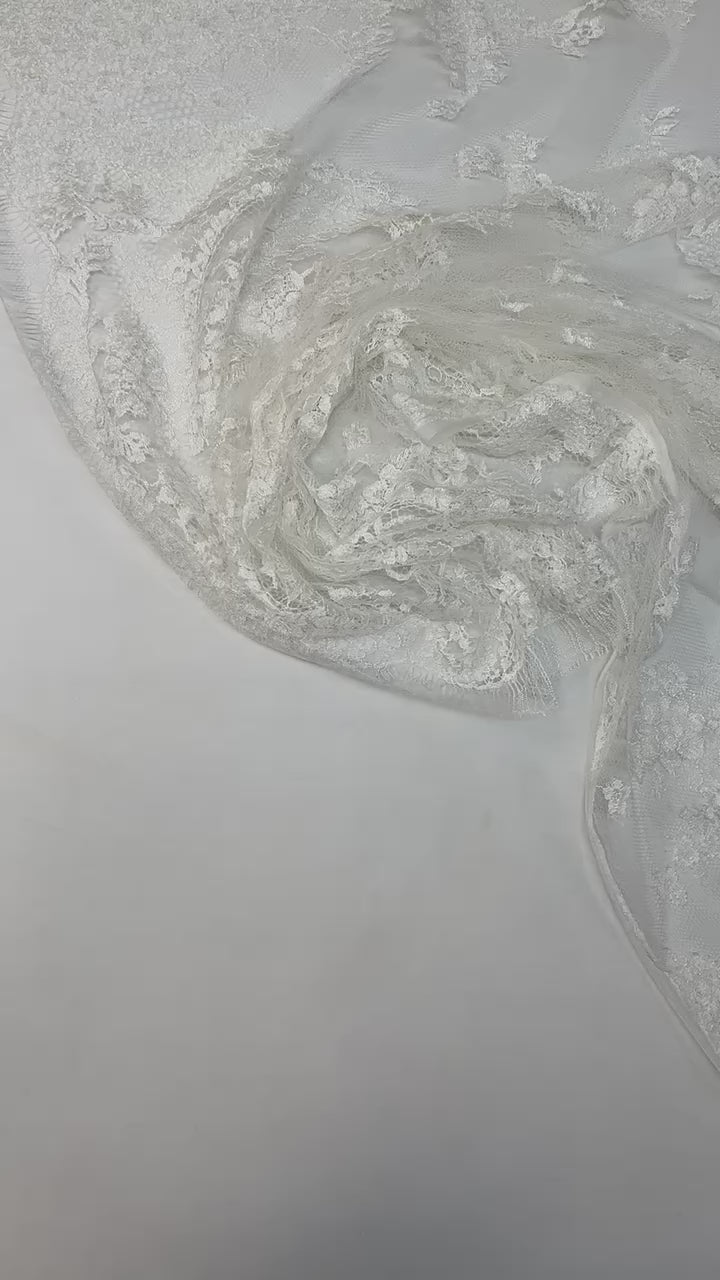
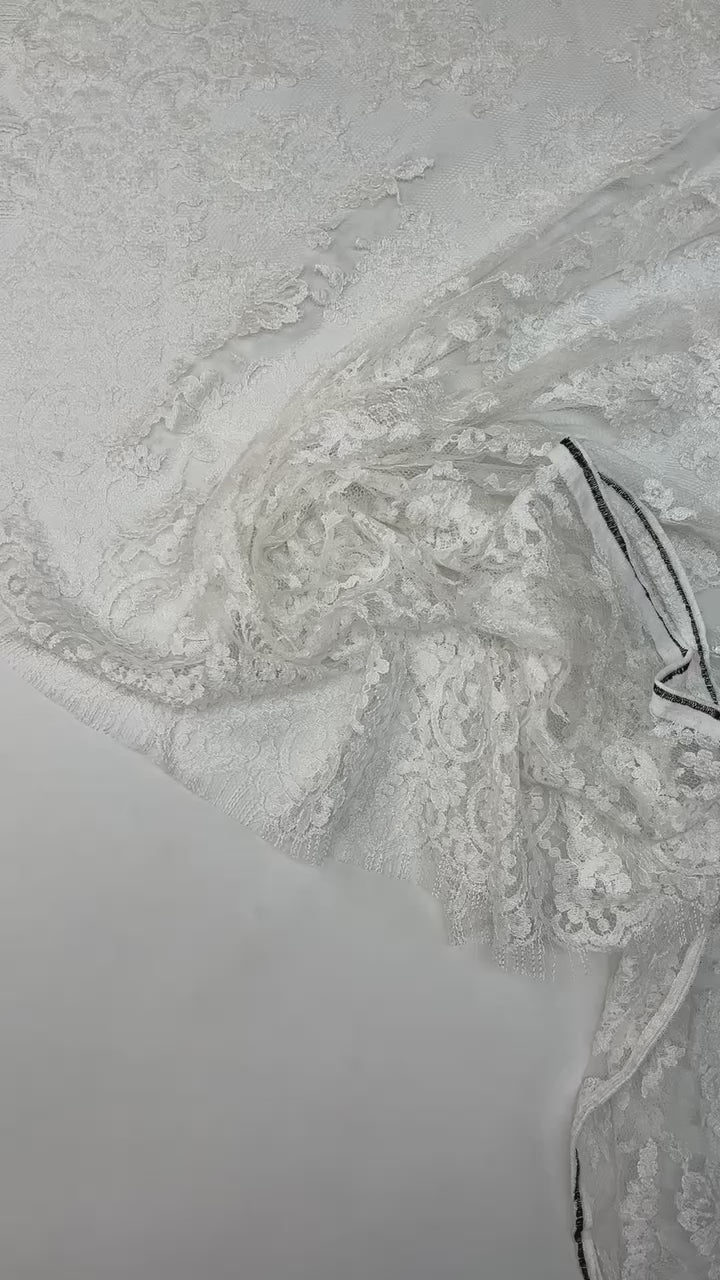
Picture the dress walking down the aisle. Does it glide or hold a sharp line? If you want clean seams and a sculpted skirt, go for satin with body (duchess, mikado) or a steady crepe. They press crisply, hide inner structure, and carry a train without drooping. If you’d rather have movement, layer in chiffon or silk organza—great for sleeves, overskirts, and soft capes. Texture comes last: lace on top of a smooth base lets the pattern read clearly. Chantilly gives fine, misty detail; guipure is bolder and more open. Veils are almost always tulle or illusion net because they’re light, easy to edge, and don’t fight the hair.
Color deserves a quick reality check. Pure white can be harsh in daylight. Warm ivory flatters more often. Order a few swatches, pin them over the planned lining, and step outside; you’ll see the winner in seconds.
Comfort is the quiet upgrade. A soft lining (charmeuse or habotai) keeps the dress easy on the skin and helps it slide over shapewear. For structure, interline the bodice, tape the neckline, and let the skirt hang overnight before hemming so it settles.
FAQ
What fabric is used for wedding dresses?
Satin, mikado, crepe, chiffon, organza, tulle, and several lace types layered over a plain base show up most.
What is bridal satin fabric?
A glossy, weighty satin (silk or polyester) that holds pleats and crisp hems and photographs well.
Why are so many gowns polyester?
Reliable color, fewer wrinkles, and friendlier prices. Silk brings a natural feel and breathability if that’s the priority.
What is bridal veil fabric called?
Soft tulle or illusion net in one or more layers; both take lace edging or scattered beads without dragging.
What kind of fabric is used for formal dresses beyond bridal?
Charmeuse for liquid drape, faille for subtle structure, velvet for winter, and embellished lace for evening pieces.